Solving Global Displacement Through Food, Technology, and Economic Systems
THE GLOBAL HUMANITY CHALLENGE
More than 250 million people globally are displaced due to war, climate change, and economic instability—living without consistent access to food, education, or income.
This is not only a humanitarian crisis—it is one of the largest untapped economic transformation opportunities of our time.
Refugee and displaced communities face chronic food shortages
Over 60% are women and children
Only ~3% have access to higher education
Millions remain trapped in aid dependency with no path to self-reliance
Without systemic intervention, this population will continue to grow—placing increasing pressure on governments, aid systems, and global stability.
A SCALABLE GLOBAL SOLUTION
The Eat, Learn & Earn™ Initiative introduces a repeatable, infrastructure-based model that transforms displaced populations into self-sustaining economic ecosystems.It integrates three core pillars:
Food Security
EAT
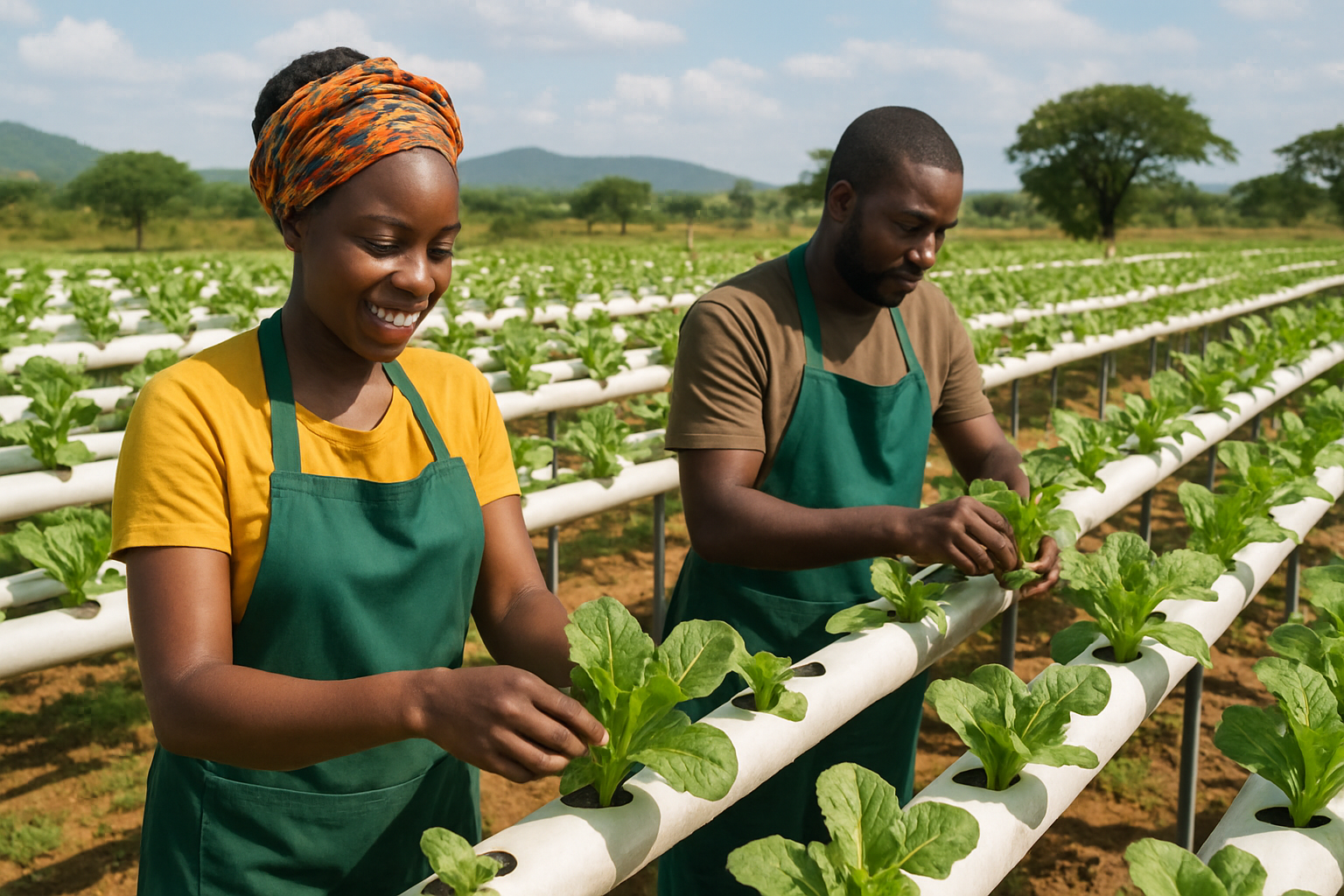
AI-enabled hydroponic farming delivers fresh, nutritious food within 30 days, independent of climate, soil, or geography.
AI & Digital Skills
LEARN
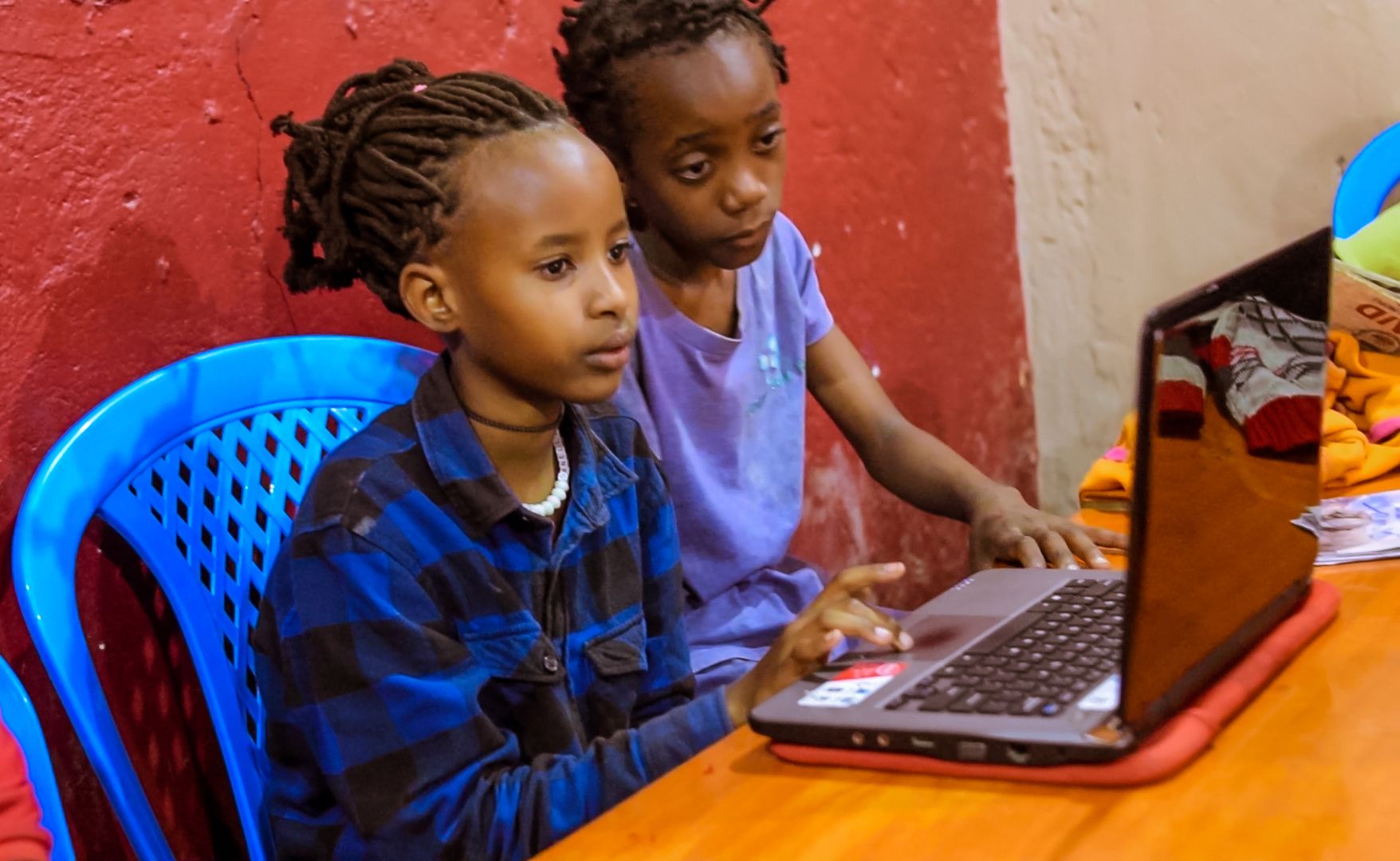
Access to computers, smartphones, and AI training enables participation in the global digital economy.
Income & Circular Economy
EARN
Communities generate income through:
• Agricultural production
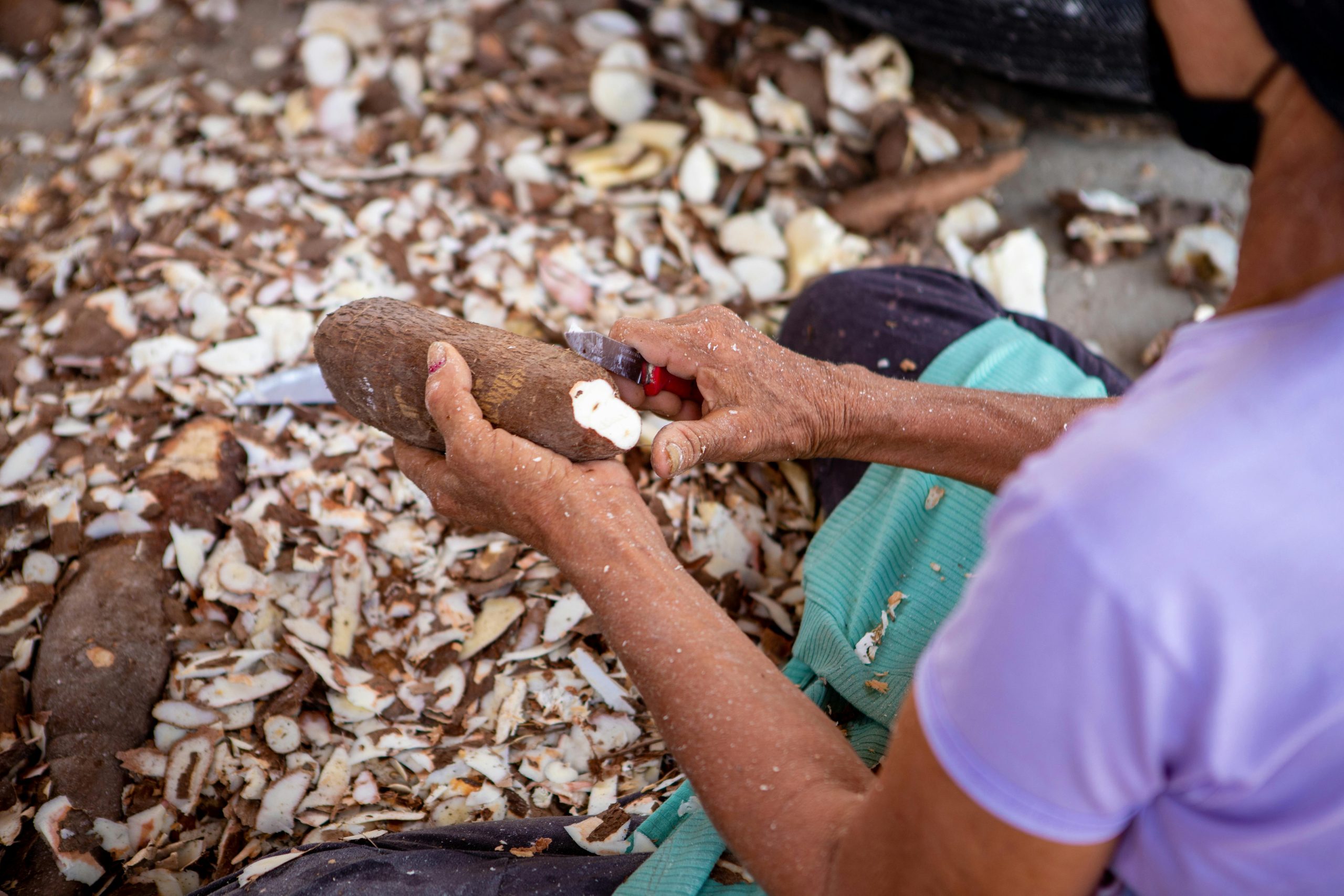
• Global supply chains (including bioplastics via cassava)
• Digital outsourcing and remote work
GLOBAL FINANCIAL MODEL
— FEEDING 250 MILLION PEOPLE
A comprehensive hydroponic model demonstrates that feeding 250 million people is both financially achievable and economically sustainable.
Scale Requirements
Scale Requirements
• 22.8 million tons of vegetables annually
• 351 million m² of hydroponic growing area
• Equivalent to ~351 km² (size of a mid-sized city)
Total Capital Investment
Scale Requirements
• ~€15.4 billion (~$15–17B USD) total deployment cost
• €61 (~$65) per person one-time investment
Annual Economic Output
• €27 billion annual revenue
• €17.1 billion operating costs
• €9.9 billion annual net surplus
Per-Person Economics
• Revenue: ~€108 per person/year
• Operating Cost: ~€68 per person/year
• Net Benefit: ~€40 per person/year
Payback Period
• ~1.5 years to recover total capital investment
Why This Matters
This is one of the rare systems where: Humanitarian impact and financial sustainability are fully aligned
• Low cost per person
• Rapid deployment
• Recurring revenue
• Strong operating margins
• Scalable globally
BEYOND FOOD: BUILDING ECONOMIC SYSTEMS
Hydroponics is the foundation—but not the full solution.
The Eat, Learn & Earn™ model expands impact by adding:
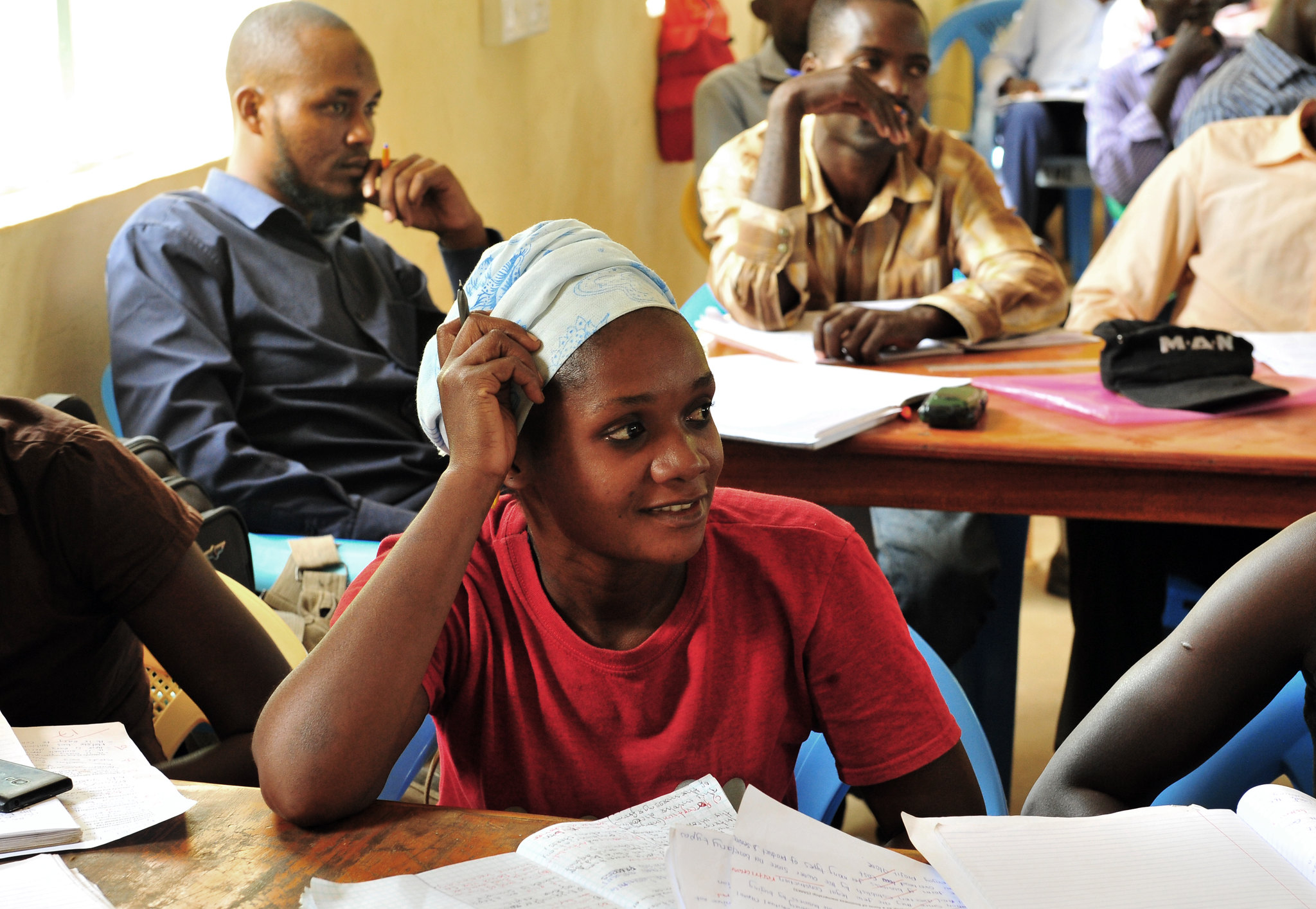
• AI education → workforce participation
• Cassava production → biodegradable plastics (The Good Bottle)
• Local farming → global supply chains• Women-led agriculture → family-level economic stability
This creates a multi-layered economic engine, not just a food program.
CAPITAL STRUCTURE: DISCIPLINE + IMPACT
Investor capital is managed by Tigress Financial Partners, led by Cynthia DiBartola.
• Principal preserved
• Professional asset management
• Returns reinvested into scaling deployments
• Separation of financial management and operations
This structure enables:
• Institutional-grade governance
• Reduced investor risk
• Long-term scalable impact
INITIAL DEPLOYMENT: KAKUMA, KENYA
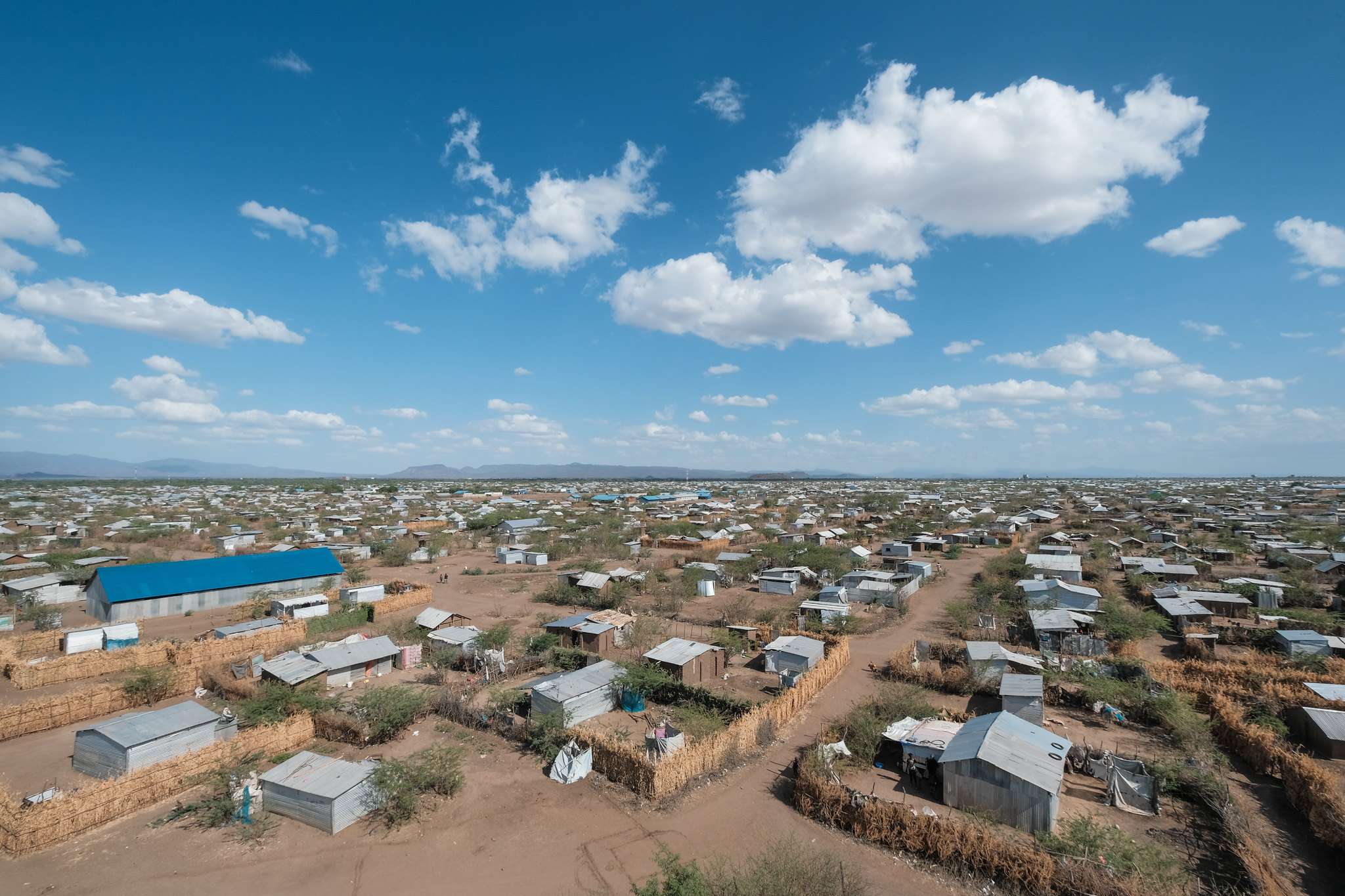
The initiative begins in Kakuma Refugee Camp, home to 300,000+ displaced individuals.
Recently designated a municipality, Kakuma represents a critical transition point:
• From aid dependency → self-reliance
• From survival → economic participation
"Hera aims to teach others to fish, not just giving them a fish."
The Eat, Learn & Earn™ Initiative transforms one of the world’s greatest humanitarian challenges into a scalable, investable, and economically viable system.